The other day, I was reflecting on how success in almost anything comes down to consistent, intentional execution.
Whether you’re trying to lose weight, build a business or achieve any meaningful goal, having a plan matters. But more importantly, you have to work the plan.
That got me thinking about how this applies to business finances.
If you’ve built a successful business, you already know how to execute. You’ve learned how to serve customers, solve problems, manage people and keep things moving.
But do you apply that same discipline to your numbers?
Do you have a financial game plan for the year and are you actually monitoring it?
In larger SMEs I’ve worked with, the process is surprisingly simple. Before the year begins, the business sets an annual budget, broken down by month, alongside a cash flow forecast.
Each month, actual performance is compared against the plan.
Did revenue hit target?
Did costs come in where expected?
Is cash where we thought it would be?
If not, why?
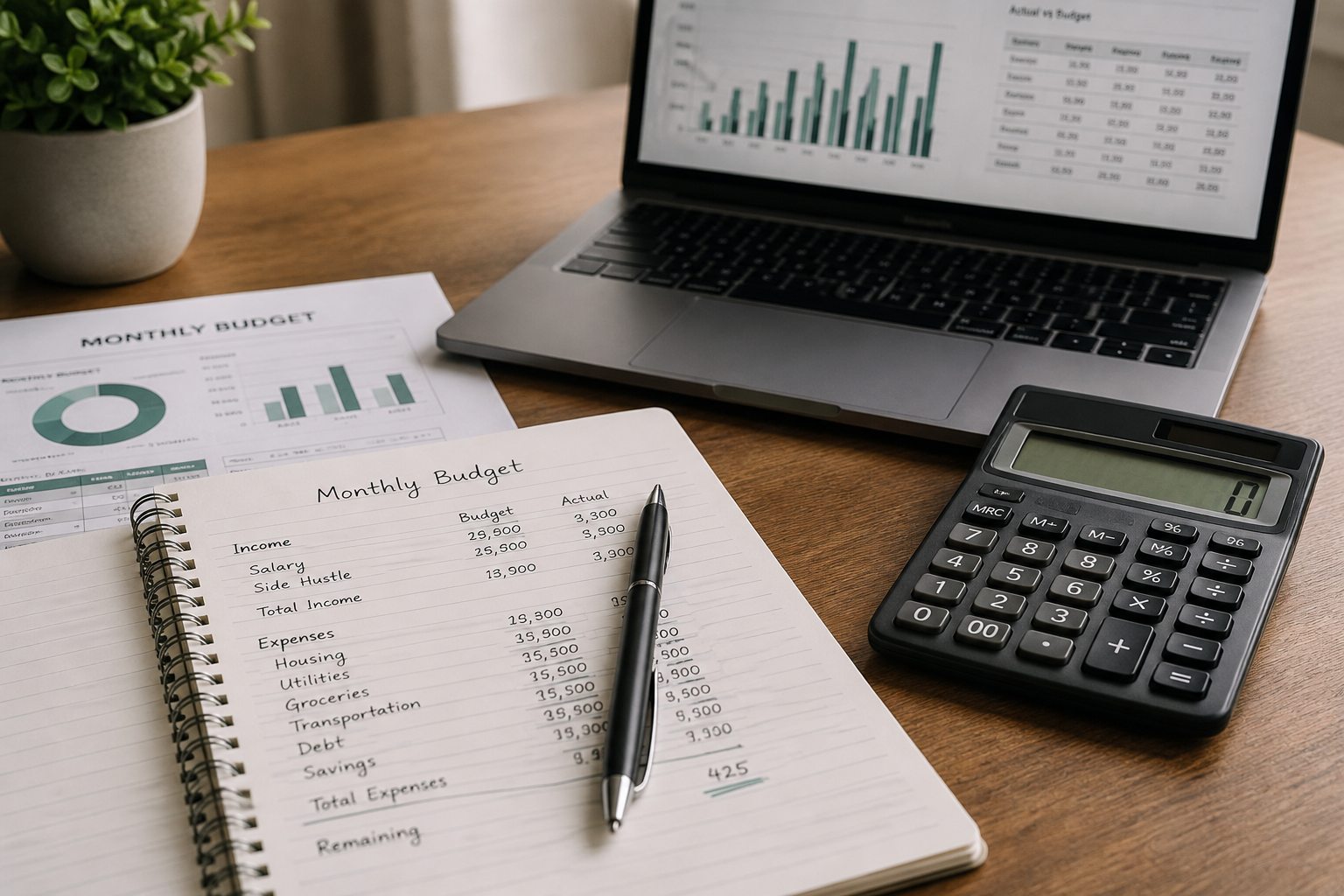
Material differences are investigated and action is taken. This means underperformance in revenue or overspending can be identified early, while there is still time to do something about it. Over time, this makes the financial performance of the business far more predictable.
It’s not too different from weight loss. If you have a calorie target, consistently track what you eat and adjust when the numbers aren’t moving in the right direction, you’re no longer simply hoping to achieve your goal. You have a plan, feedback and the ability to course-correct.
Your business finances should work the same way.
So ask yourself: What are you expecting your business to achieve this year? Have you translated that expectation into monthly numbers based on your business and its seasonal trends? Are you comparing actual performance against those numbers? Or are you simply staying busy and hoping the numbers work out at the end of the year?
Maybe it’s time to become more intentional.
Have the conversation with your accountant. Ask for more than a set of year-end accounts. Ask for budgets, forecasts, management information and insight that helps you make decisions throughout the year.
And if your accountant doesn’t offer that kind of support, I’d be happy to have a conversation.
Your Growth Partner,
Nyasha K.